

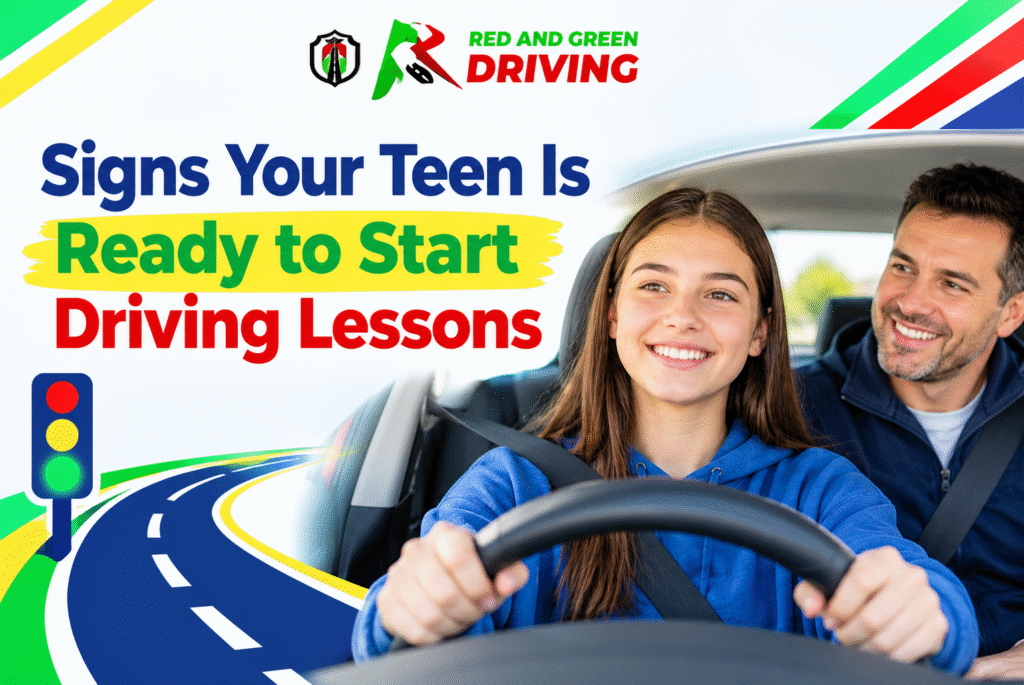
If you’re asking yourself, “Is my teen ready to drive?” you’re not alone. Every parent hits this point eventually, usually somewhere around their child’s 16th birthday, and it’s rarely an obvious yes-or-no answer. Age is just one part of the picture. What actually matters is whether your teen shows the judgment, focus, and responsibility that driving requires, on top of meeting New Jersey’s licensing requirements.
Why Age Alone Isn’t Enough
In New Jersey, teens can begin the permit process at 16, but turning 16 doesn’t automatically mean they’re ready to get behind the wheel. Two teens can be the same age and be in very different places when it comes to readiness. Some are eager, focused, and already showing responsible habits in other parts of their life. Others need a bit more time to develop the maturity that safe driving depends on.
Teen Driving Readiness Signs to Look For
There are a handful of teen driving readiness signs that tend to show up before a teen is actually ready to start lessons.
They show responsibility in other areas. A teen who keeps up with schoolwork, chores, or commitments without constant reminders is usually demonstrating the same kind of follow-through that driving requires.
They can stay focused without getting distracted. Driving demands sustained attention. If your teen struggles to put their phone down or stay on task during everyday activities, that’s worth addressing before adding a car into the mix.
They ask questions about driving on their own. Genuine curiosity, wanting to know how traffic laws work, what different road signs mean, or how to handle certain situations, is often a good sign they’re mentally engaged with the idea rather than just going through the motions because it’s expected.
They handle stress or frustration reasonably well. New drivers will inevitably hit stressful moments: a car in front of them stopping short, a difficult merge, or an unexpected pedestrian. A teen who can stay relatively calm under pressure in other situations tends to handle these moments better behind the wheel too.
They understand the seriousness of the responsibility. This is less about confidence and more about attitude. Teens who treat driving as a privilege that comes with real risk, rather than just another milestone, tend to take instruction more seriously once lessons begin.
Signs Your Teen Might Need More Time
On the flip side, some signs suggest waiting a bit longer makes sense. Frequent distraction, difficulty following multi-step instructions, or a tendency to downplay risk are all reasonable reasons to hold off before starting formal lessons. There’s no rush, and starting when your teen is genuinely ready tends to lead to a smoother learning experience for everyone involved.
It also helps to watch how your teen reacts to responsibility that isn’t about driving at all. A teen who consistently shows up on time, follows through on commitments to friends or coaches, and takes ownership when something goes wrong is usually demonstrating the same qualities that make for a safe, attentive driver. These everyday habits are often better predictors of readiness than age or eagerness alone.
What Professional Lessons Add to the Process
Once you feel your teen is showing these signs, professional instruction gives them a structured way to build skills that’s hard to replicate through parent-led practice alone. A trained instructor can focus entirely on your teen’s driving, without the emotional dynamic that sometimes complicates parent-taught lessons, and can walk through fundamentals like checking mirrors and blind spots, judging speed and following distance, and signaling well before a turn in a calm, consistent way.
New Jersey also requires six hours of mandatory behind-the-wheel training for 16-year-old drivers, which professional lessons are specifically structured around. Learning in a dual-control vehicle, one equipped with a second brake for the instructor, adds another layer of safety while your teen is still building confidence.
Making the Decision as a Parent
There’s no perfect moment where every sign lines up at once. Most parents end up making the call based on a mix of readiness signs, their own comfort level, and practical timing. If you’re seeing several of the signs above, it’s a reasonable time to start looking into lessons. If you’re still seeing more hesitation than readiness, there’s no harm in waiting a little longer.
Getting Started With Confidence
Learning more about how the process works and what to expect from a trained instructor can make the decision easier. You can find out more about our approach on our about page before deciding whether now is the right time for your teen.
Ready to help your teen build safe driving habits from day one? Book now and get your teen started with a professional driving instructor.